
Annapurna Circuit Trek planning tends to trip people up for one simple reason: it isn’t a single, fixed itinerary. Unlike a short out-and-back hike where you know exactly what each day looks like, this is a long Himalayan trek that changes shape depending on where roads reach, how much time you have, and which side of the circuit you want to see more of. Ask five trekkers how many days it took them and you’ll probably get five different answers, and that’s before altitude, weather, or transport even enter the picture.
What makes the Annapurna Circuit genuinely different from most Nepal trekking routes is the sheer variety packed into one trail. You start low, walking through farmland and forest, and end up crossing a high mountain pass into landscapes that look almost lunar. Along the way there are mountain villages, prayer flags, yak pastures, and the kind of scenery that shifts noticeably every couple of days. The physical and emotional high point for most people is Thorong La Pass, but getting there — and understanding what it takes — is where most of the planning questions come from. This guide walks through the route, difficulty, permits, cost, packing, and timing so you can actually plan this trek instead of just dreaming about it.
Annapurna Circuit Trek at a Glance
The Annapurna Circuit Trek sits in the Annapurna region of central Nepal, looping around the Annapurna massif rather than heading straight to one base camp. Because road construction has crept into the lower valleys over the years, the exact walking duration depends heavily on where you start and where you end — some trekkers walk the full loop, others drive partway in and focus on the higher, more scenic sections. The trek’s centerpiece is Thorong La Pass, one of the highest trekking passes in the world, and the journey is built around it: days of gradual ascent through villages like Manang, the pass crossing itself, and a dramatic descent toward Muktinath and into the drier Mustang side of the trail. Spring and autumn are generally considered the strongest seasons, though weather behaves differently depending on which side of the mountain you’re on.
What Is the Annapurna Circuit Trek Really Like?
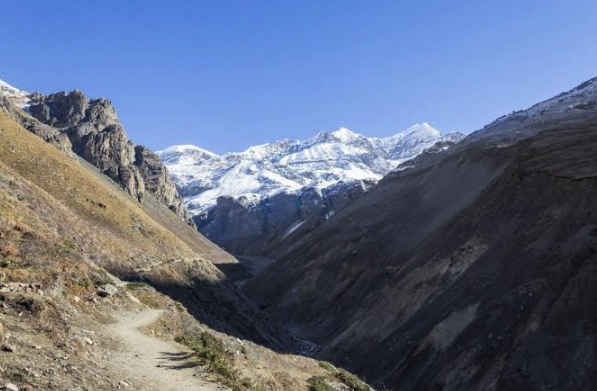
The trek doesn’t throw you into high altitude right away, and that’s actually one of its strengths. You begin in lower valleys where the trail winds through terraced farmland, forest, and small riverside settlements along the Marsyangdi River. As you gain elevation day by day, the vegetation thins, the air gets noticeably drier, and the villages start to feel more Tibetan-influenced in their architecture and culture.
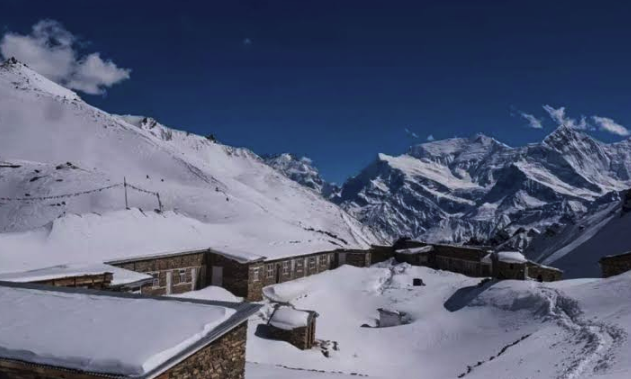
Manang is where things shift. Sitting at a solid altitude, it’s the natural point where most itineraries build in extra time — not just for sightseeing, but because your body genuinely needs it before pushing higher. Past Manang, the Annapurna massif dominates the skyline and the terrain becomes starker, almost desert-like in places, especially once you’re deep into the Mustang side of the circuit. Then comes Thorong La — a long, cold, physically demanding day that most trekkers describe as the toughest few hours of the whole trip. Once you’re over it and descending toward Muktinath, the whole character of the trek changes again. You drop into the Kali Gandaki Valley, one of the deepest gorges on the planet, and the scenery softens compared to what you just crossed.
If you’re comparing options, it’s worth also looking at the Annapurna Base Camp Trek for a shorter, non-pass route into the same massif, the Manaslu Circuit Trek if you want something quieter and more remote, or the Tilicho Lake Trek as a side extension for trekkers who want to add one of the highest lakes in the world to their itinerary.
Annapurna Circuit Trek Route and Major Stops
Most itineraries follow a similar logic even if the exact starting point varies with current road access: Kathmandu, a road transfer toward the trekking starting area, then a walk up through the lower Marsyangdi Valley through villages like Dharapani and Chame, continuing to Pisang and then Manang. From there, an acclimatization day is built in before pushing on toward Yak Kharka and Thorung Phedi, the last stop before the pass. Thorong La itself is crossed in a single long day, dropping down to Muktinath on the other side, and from there the trail continues through the lower Mustang and Kali Gandaki area before connecting to onward transport.
This route isn’t normally rushed, and there’s a reason for that beyond just comfort. The gradual climb from subtropical lower valleys up into genuinely high mountain terrain gives your body time to adjust, which matters more here than raw fitness does. Manang exists as a checkpoint precisely because jumping straight from mid-altitude villages to the pass without proper acclimatization is where a lot of trekkers run into trouble. The pass day itself should be treated as the anchor of the whole itinerary — everything before it is really preparation, and everything after it is a different kind of trek altogether. Road access changes year to year, so the exact walking distance and number of trekking days can shift depending on how far a vehicle can currently take you before the trail starts.
Annapurna Circuit Trek Difficulty and Altitude
Calling the Annapurna Circuit “moderate to challenging” is fair, but it’s also a bit of a moving target — difficulty here depends heavily on your itinerary, your fitness, and honestly, how your body responds to altitude, which isn’t always predictable even for experienced hikers. There are long walking days with sustained elevation gain, and for a lot of people, Thorong La ends up being the hardest single day of any trek they’ve done, simply because of the combination of cold, altitude, and distance.
Past a certain elevation, altitude matters more than technical skill. You don’t need climbing experience for this trek, but you do need to respect acclimatization, drink enough water, and pace yourself instead of racing between teahouses. Symptoms of altitude sickness can show up even in trekkers who are otherwise in great shape, which is part of why rest days around Manang and sensible planning near Thorong Phedi and High Camp aren’t optional extras — they’re part of what makes the crossing manageable. Previous trekking experience helps, no question, but it’s not a strict requirement if you prepare properly and don’t try to compress the itinerary just to save a few days.
Best Time for Annapurna Circuit Trek
Spring, roughly March through May, tends to bring warmer conditions in the lower sections along with decent mountain visibility, though afternoon cloud can build up some days. Autumn, September through November, is usually the more popular window because weather patterns tend to be more stable and views are often clearer for longer stretches.
Winter is a different story — the lower valleys are still walkable, but conditions up near Thorong La get seriously cold, and the pass can become difficult or occasionally unsafe to cross depending on snowfall that season. Monsoon, roughly June through August, brings rain, cloud cover, and muddy trails to the lower Marsyangdi side, and can disrupt road transport into the trailhead. Interestingly, the Mustang side of the circuit sits in a rain shadow, so it behaves somewhat differently during monsoon than the wetter lower valleys — something worth knowing if you’re set on a specific travel window.
Accommodation, Food and Tea House Life
This is a teahouse trek from start to finish, which means you’re not carrying camping gear — you’re relying on family-run lodges along the trail. Rooms are simple almost everywhere, and the higher you climb, the more basic things get; shared bathrooms become the norm rather than the exception once you’re above Manang.
Food follows a similar pattern. Dal bhat is the trekking staple for good reason — it’s filling, it’s usually available for a second helping, and it gives you the carbohydrates you actually need at altitude. Beyond that, expect noodles, soup, potatoes in various forms, eggs, and simple bread dishes. Menus get shorter and pricier the higher you go, which makes sense given everything has to be carried in. Eating enough and drinking regularly isn’t just about comfort here — it genuinely affects how well you handle the altitude.
Annapurna Circuit Trek Permits and Entry Requirements
Trekking in this region requires entry through the Annapurna Conservation Area, so an ACAP permit is a standard requirement, along with the trekking registration documentation applicable to the route. Rules around permits, guide requirements, and independent trekking do shift from time to time depending on current regulations, so it’s worth confirming the latest requirements close to your travel dates rather than relying on older information. Anything specific to guide requirements for your nationality or route section should be verified directly before you commit to an itinerary.
Annapurna Circuit Trek Cost
There isn’t one honest number for what this trek costs, because the total is really the sum of several separate pieces. Transportation to and from the trailhead is one factor, and it varies depending on whether you’re taking public transport or a private vehicle. Guide and porter services add cost but also add safety and local knowledge, particularly useful on the pass day. Then there are permits, teahouse accommodation, daily meals, travel insurance, and personal spending on things like hot showers, device charging, or Wi-Fi at higher elevations, which tends to get more expensive the further you get from road access.
It’s also smart to keep some contingency funds aside — weather delays, an extra rest day for acclimatization, or a change of plan near the pass can all add unplanned costs. Package prices from trekking companies vary quite a bit depending on itinerary length, group size, and what level of service is included. If you’d rather not coordinate permits, transport, and guides separately, companies such as Action Nepal Treks handle that logistics side for trekkers who want the planning simplified, though plenty of people also arrange things independently.
What to Pack for the Annapurna Circuit
You don’t need to overpack, but a few things genuinely matter. Boots that are already broken in are non-negotiable — this is the wrong trek to test new footwear on. A proper layering system works better than one heavy jacket, paired with a warm down jacket for the evenings and a waterproof outer shell for unpredictable weather higher up. Gloves and a warm hat matter more than people expect, especially near Thorong Phedi and on pass morning.
Beyond that, bring a sleeping bag rated for the season you’re trekking in, sunglasses and sunscreen for the high, exposed sections, a reliable water bottle or hydration system, trekking poles for the descents, and a headlamp for the early pass-day start. Pack basic personal medicines and first-aid items, plus copies of your permits, documents, and travel insurance details somewhere accessible.
Safety, Acclimatization and Travel Insurance
Altitude isn’t something you can out-fit your way through, and treating it like a fitness challenge is where a lot of avoidable problems start. Headache, nausea, unusual fatigue, or dizziness that gets worse rather than better are signs worth taking seriously, not pushing through. Ascending gradually and actually using the built-in acclimatization days — rather than skipping them to save time — makes a real difference in how the pass day feels.
Know your own limits, and know that turning back or delaying a day is sometimes the right call, not a failure. Travel insurance should specifically cover trekking at the altitude your itinerary reaches, including emergency evacuation if it’s needed, since standard travel policies often don’t cover high-altitude trekking by default. Weather can also affect the pass itself and the transport connections on either end, so building some flexibility into your schedule is worth more than it might seem beforehand.
Who Should Choose the Annapurna Circuit?
This trek suits people who want a proper long Himalayan journey rather than a quick few-day hike — trekkers who want village culture and high mountain scenery in the same trip, and who are drawn to the idea of crossing a genuine high pass without needing technical climbing skills. If constantly changing landscapes and a real physical test appeal to you, this fits well. If you’d prefer something shorter, lower in altitude, or less logistically involved, routes like Ghorepani Poon Hill or Mardi Himal might suit you better.
Final Thought
At its core, the Annapurna Circuit Trek is a long walk through changing landscapes, mountain villages, and one serious high pass — not a single fixed formula you can copy from someone else’s trip report. Preparation and pacing matter far more than speed, and the itinerary that works best is the one that actually accounts for altitude, weather, and a bit of built-in recovery time rather than the one that looks fastest on paper. Plan it properly, and it’s a trek that rewards patience more than anything else.
FAQs
How many days does the Annapurna Circuit Trek take?
It varies quite a bit depending on your starting and ending points and how far roads currently reach, but most trekkers spend somewhere between two and three weeks on the full route.
What is the highest point of the Annapurna Circuit?
Thorong La Pass is the highest point, and it’s the physical and logistical centerpiece of the entire trek.
Is the Annapurna Circuit difficult for beginners?
It’s doable for reasonably fit beginners with proper preparation and pacing, but altitude response matters more than raw fitness, so it shouldn’t be underestimated.
Can I do the Annapurna Circuit without a guide?
Regulations around independent trekking in this region have changed over time, so it’s important to check the current rules before deciding rather than assuming older information still applies.
What is the best month for the Annapurna Circuit Trek?
Spring and autumn are generally the most reliable windows, though exact conditions shift year to year and by section of the route.
How much does the Annapurna Circuit Trek cost?
The total depends on transport, permits, guide or porter services, accommodation, and meals, so it’s more useful to think in terms of these components than a single fixed number.
Do I need travel insurance for the Annapurna Circuit?
Yes — and specifically insurance that covers trekking at the altitude you’ll reach, including emergency evacuation if needed.
Is the Annapurna Circuit worth doing?
For trekkers who want variety, culture, and a genuine high-altitude challenge in one route, it’s one of the more complete treks in Nepal.
