
Imagine arriving at the Great Barrier Reef, excited to explore its colorful coral formations and diverse marine life. While you may prefer to enjoy the experience at your own pace, you might wonder whether exploring the reef independently is possible or if you need to join an organized tour or hire a personal guide.
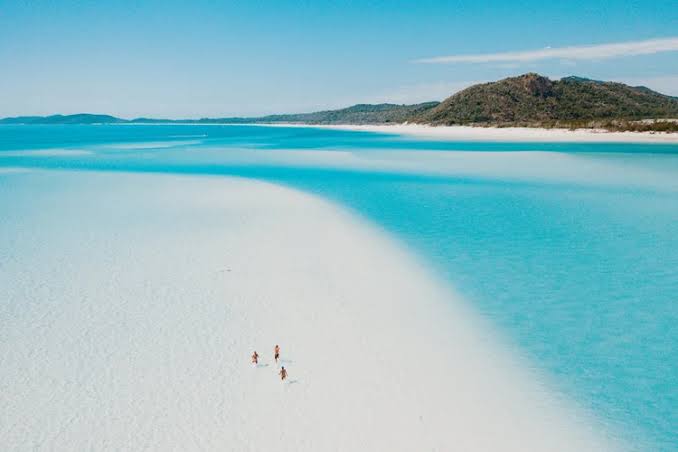
The good news is that yes, you can explore certain areas of the reef without a personal guide, particularly when snorkeling from accessible beaches or designated swimming areas. However, reaching offshore reefs usually requires a boat trip, and some locations have specific access and safety requirements.
The Great Barrier Reef stretches along Queensland’s northeastern coast and includes thousands of reefs, islands, and coral cays. Popular access points include Cairns, Port Douglas, and the Whitsundays. Conditions can vary considerably from one location to another, so knowing where to dive in the Great Barrier Reef is important, as not every reef is suitable for independent visitors or inexperienced swimmers.
In this article, we will look at how you can explore the Great Barrier Reef independently and the situations where having professional guidance can make a difference.
Understanding Independent Reef Exploration
Independent exploration generally means enjoying the reef without having a guide accompany you in the water. It does not necessarily mean traveling to the reef without professional support.
Some visitors snorkel from islands or beaches where reef access is permitted. Others book boat transportation to offshore locations and explore designated areas independently. The type of experience available depends on the destination, weather, water conditions, and your swimming ability.
The Risks of Exploring Without Guidance
The reef is a natural environment, and conditions can change quickly. Strong currents, waves, limited visibility, and marine hazards can create difficulties even for confident swimmers. Knowing where to dive in the Great Barrier Reef can help you choose suitable locations and understand the conditions before entering the water.
Attempting to explore unfamiliar areas without proper preparation may increase the risk of:
- Drifting away from the intended snorkeling area.
- Becoming exhausted in changing water conditions.
- Losing track of boat departure times.
- Encountering marine hazards without knowing how to respond.
- Entering restricted or environmentally sensitive areas.
Scuba diving requires additional training and appropriate certification. Certified divers should still follow local site rules and avoid diving beyond their experience level.
Signs You Should Choose Professional Assistance
A guided experience or supervised activity is especially useful if you are visiting the reef for the first time.
Consider professional support when:
- You are unfamiliar with snorkeling or diving.
- You are unsure about currents and water conditions.
- You want to visit an offshore reef.
- You are traveling with children or inexperienced swimmers.
- You want help identifying marine life and understanding reef conservation.
Even experienced visitors can benefit from local knowledge when conditions are unfamiliar.
FAQs
1. Can beginners snorkel the Great Barrier Reef without a guide?
Yes, some designated areas are suitable for beginners, but inexperienced swimmers should use flotation equipment and choose supervised or clearly designated locations.
2. Do I need certification to explore the reef?
You do not need scuba certification to snorkel. However, scuba diving generally requires appropriate training and certification unless you participate in an approved introductory diving experience under professional supervision.
3. Is it safe to visit the reef alone?
Exploring alone is not recommended. Even confident swimmers should use a buddy system, follow local safety instructions, and avoid entering unfamiliar water without support.
Key Takeaways
- Some reef areas can be explored without a personal guide.
- Offshore reef access often requires organized boat transportation.
- Beginners should choose suitable, supervised locations.
- Scuba diving requires appropriate training and certification.
- Check marine conditions and follow local access rules.