
The majestic mountain trips provide an experience of exploring a peaceful valley setting, impressive peaks, and a culture shaped by the mountainous terrain. A scenic trek is the best method to enjoy the majesty of the Himalayas while progressing at a pace that is both enjoyable and rewarding.
The trails lead through isolated settlements, lush forests, and alpine regions in the mountains allowing for immersion into the natural rhythms of these areas. The trek is marked by consistent elevation gain each day, amazing views of the snowy peaks and cultural immersion in the trail villages.
Those who are looking for an adventurous experience that tests their limits will find that summit climbing provides just that. This activity takes you beyond well-trodden routes to uncharted territories at high altitudes.
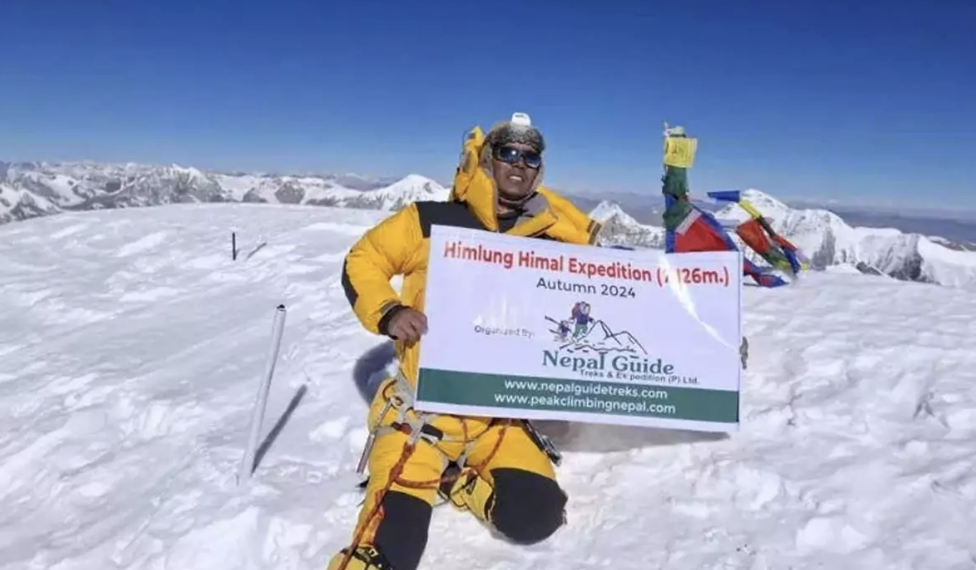
The climb itself is a physical and psychological test of your abilities which makes the experience all the more rewarding when you finally reach the summit. If trekking doesn’t excite you as much as it does others, then summit climbing might be the next best thing to try out.
What to Expect on a Trekking Journey?
A trekking trip in the mountains is not about being in a hurry to reach somewhere but about getting used to a rhythm.
Usually, the mornings start very early when the air is fresh and you have clear sight until the clouds gather. For many hours, you will be moving on a path through beautiful landscapes and stopping from time to time to have a rest, drink some water, and just enjoy nature around you.
The way is made in such a way that gives you time to adapt to the changing heights and still move forward every day. Each evening ends up at a lodge where warm meal and the friendly company of other travelers await.
Landscapes, Culture, and Daily Rhythm
Some of the best parts about trekking are that you are always moving through different terrains and cultures. Trek routes take you through thick forests, over suspension bridges across rivers, and onto vast valleys with snow-topped mountains in the background.
Along the way, there will be tiny villages high up in the mountains that live their lives in the same way as they have for decades. Interacting with local inhabitants, seeing their lifestyle and culture, and experiencing the architectural differences give meaning to trekking beyond just being an activity.
The trekking itinerary is planned such that you wake up early in the morning for the hikes and end your days in the evenings when you have completely soaked in the surrounding scenery and its culture.
Popular Trekking Routes to Consider
- Everest Base Camp Trek
- Everest Three High Passes Trek
- Annapurna Base Camp Trek
- Annapurna Circuit Trek
- Langtang Valley Trek
- Manaslu Circuit Trek
- Kanchenjunga Circuit Trek
- Upper Mustang Trek
- Upper Dolpo Trek
- Mardi Himal Trek
Himalayan Climbing Expeditions
Himalayan mountaineering expeditions take you deep into high-altitude terrain and involve technical climbs to summit challenging mountain faces under hazardous conditions. What matters for a summit climb is not just its height but also the nature of the route and conditions encountered by the climber.
The climb proceeds across glaciers, ice fields, steep snow slopes, and exposed ridges where success depends on technical skills and proper coordination. The expedition itself is planned in such a way that camps are strategically placed in order to allow the climber to ascend gradually and adjust to the higher altitude.
The climbers need to be physically fit and have mountaineering skills and knowledge about the use of various equipment like crampons, ice axes, harnesses, and ropes. The preparation for climbing starts several months before when the climber undergoes physical training, acclimatization to high altitude and learning various rock and ice climbing skills.
The real challenge begins after the climber arrives at the mountain. It is harder due to low oxygen levels and fatigue. At the higher altitudes above the base camp, climbers follow a strict regime characterized by limited time for climbing, resting and paying attention to the weather.
Famous Himalayan Expeditions
- Mount Everest Expedition
- Ama Dablam Expedition
- Island Peak Expedition
- Lobuche East Climb
- Manaslu Expedition
- Makalu Climb
- Cho Oyu Expedition
- Annapurna Expedition
- Pumori Climb
- Mera Peak Expedition
- Baruntse Climb
Choosing Your Path in the Himalayas
Your choice of adventure depends on the way you would like to immerse yourself in the Himalayan experience and how much of a challenge you are willing to embrace.
Trekking in the Himalayas implies an easy-paced experience of nature and mountain villages passing through deep valleys, dense forests, mountain peaks, and beautiful passes. Whereas expeditions involve climbing up to a certain peak with the help of glaciated routes along very steep paths.
There are several important aspects that should be considered when choosing between trekking and expeditions. Understand your state of health and level of preparedness, since treks do not demand any technical skills or strict previous experience while climbs imply much more effort and training.
Time is yet another aspect that needs to be considered as trekking allows for more flexibility in duration whereas climbing entails longer time periods.
